NORA Tea: What It Is, Benefits, and How It Fits Into a Healthy Pregnancy
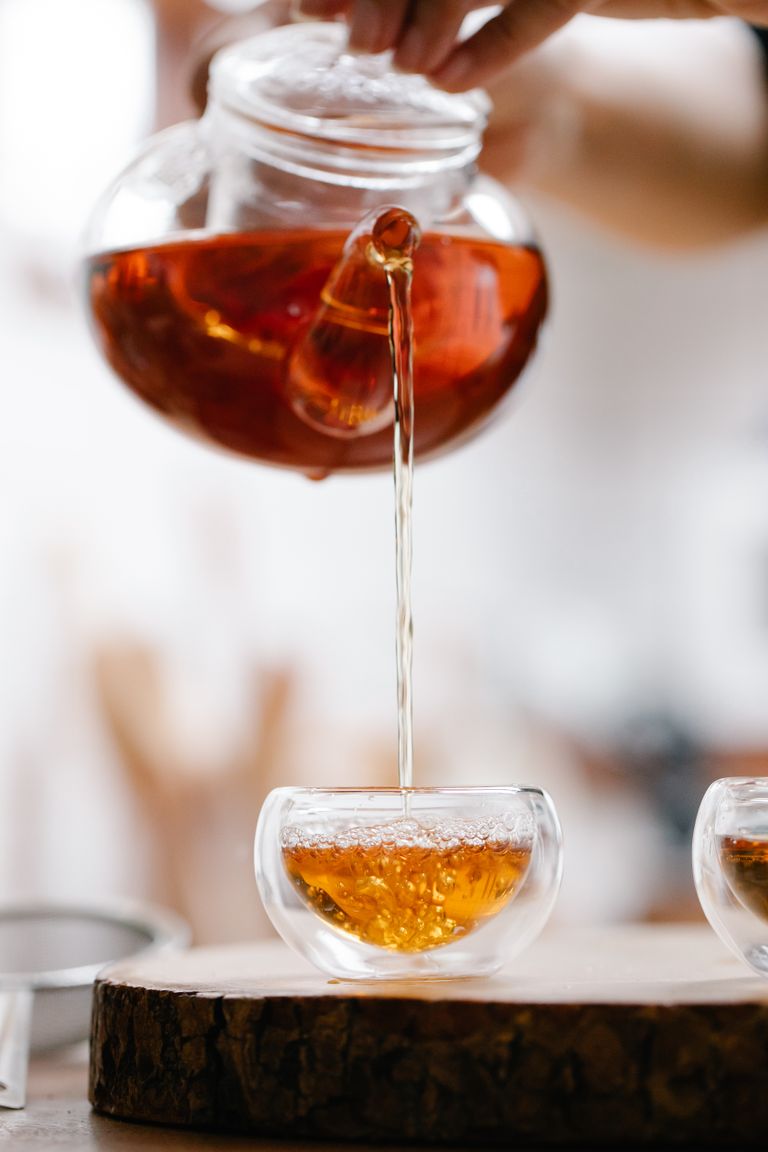
If you’ve spent time in natural birth communities, you’ve probably heard someone mention NORA tea. It’s one of those traditional herbal teas that has been passed down through generations of midwives and mothers as a nourishing drink during pregnancy.
While no herbal tea can guarantee an easier labor or healthier pregnancy, many women enjoy NORA tea as part of an overall healthy lifestyle. It provides minerals from nutrient-rich herbs and can be a comforting way to stay hydrated during pregnancy.

THIS POST MAY CONTAIN AFFILIATE LINKS. PLEASE READ OUR DISCLOSURE POLICY.
What Is NORA Tea?
NORA stands for four herbs:
Together, these herbs create a mineral-rich tea that has long been used in traditional herbal practices to support overall wellness during pregnancy.
Many families choose to drink one to three cups per day, although every pregnancy is different, and it’s always wise to discuss herbal supplements with your healthcare provider before adding them to your routine.
The Herbs in NORA Tea
Nettle
Nettle is incredibly nutritious, containing naturally occurring vitamins and minerals, including iron, calcium, magnesium, potassium, and vitamin K. Many women enjoy nettle tea as a nourishing addition to a healthy pregnancy diet.
Oatstraw
Oatstraw comes from the green stems of the oat plant. It is rich in minerals such as calcium and magnesium and has traditionally been used to support the nervous system. Many people find oatstraw tea soothing, making it a pleasant addition to their day.
Red Raspberry Leaf
Red raspberry leaf is perhaps the most well-known pregnancy herb. Traditionally, midwives have recommended it during the second and third trimesters because it is believed to help tone the uterus.
Research on red raspberry leaf is still limited, and studies have not consistently shown that it shortens labor or prevents complications. However, many women continue to enjoy it because of its long history of traditional use and generally favorable safety profile when used appropriately.
Alfalfa
Alfalfa is another mineral-rich herb that contains vitamins A, C, E, and K along with calcium and other trace minerals. It has traditionally been used as a nourishing herb to support overall health.
How I Make My NORA Tea
There are plenty of ways to prepare NORA tea, but this is what works well for me.
I keep a quart-sized mason jar (these ones are so cute!) in my pantry filled with equal parts dried nettle, oatstraw, red raspberry leaf, and alfalfa. Having the blend already mixed makes it quick and easy whenever I want a fresh cup.
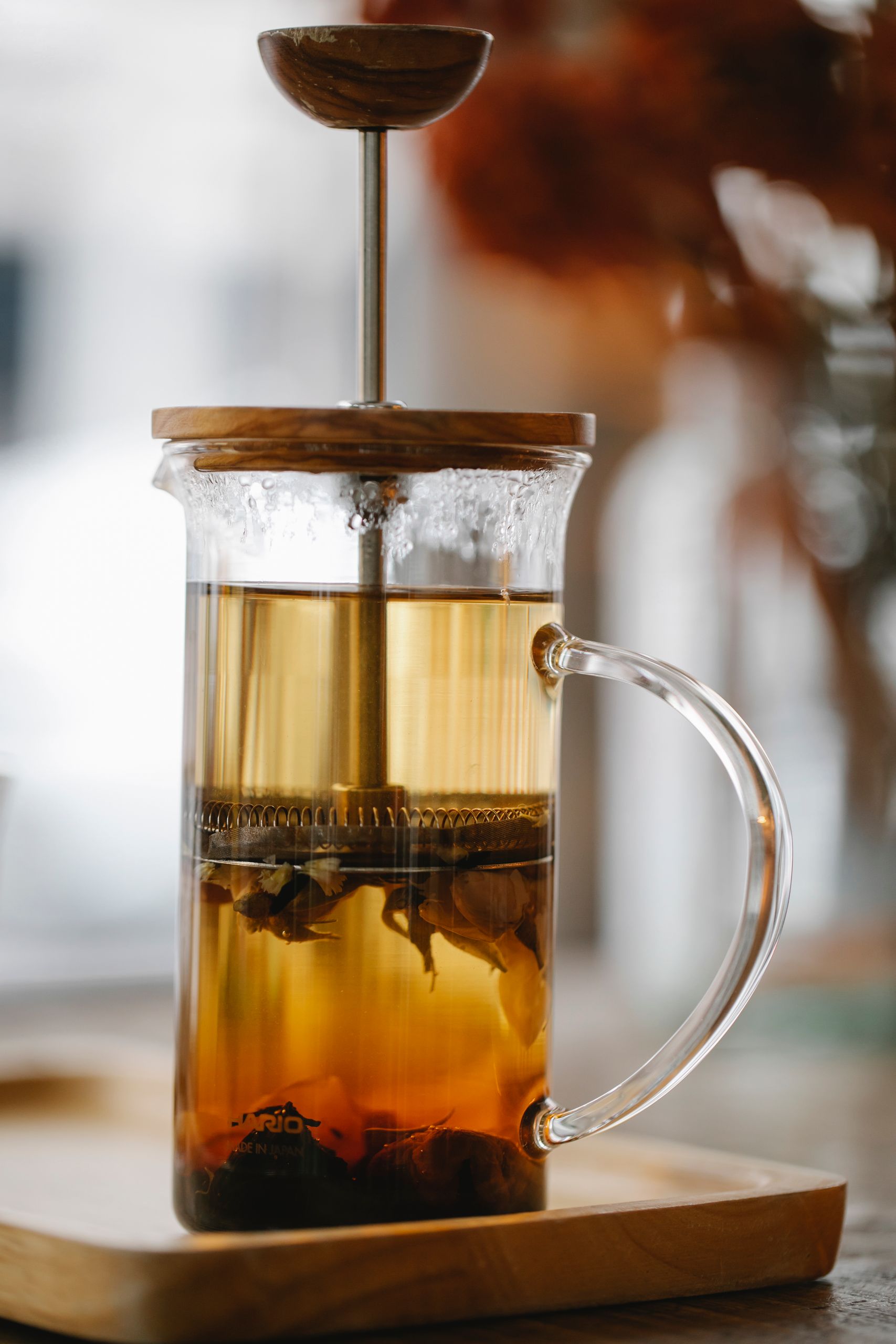
When I’m ready to make tea, I add a few tablespoons of the herbal blend to my insulated French press coffee maker, pour hot water over the herbs, and let it steep. The insulated French press keeps the tea warm for hours, so I can simply pour myself a cup and sip on it throughout the day. It’s an easy way to stay hydrated while enjoying all the nourishing herbs in the blend.
When should I drink NORA tea during pregnancy?
I recommend after 16 weeks. Some women start as soon as 12 weeks. I say talk with your care provider to see what best works for you and what you’re comfortable with. But typically 16 weeks is a great place to start! You can also drink NOA tea in early pregnancy in place of NORA.
Does NORA Tea Really Work?
This is where it’s important to separate tradition from scientific evidence. I personally can’t say!
However, many midwives, doulas (including myself), and mothers have wonderful personal experiences with NORA tea and include it as part of a healthy pregnancy routine. Even though research has not conclusively shown that NORA tea leads to shorter labors, easier births, or fewer complications.
Instead, think of NORA tea as a nourishing herbal tea—not a cure all concoction. Eating a balanced diet, staying hydrated, getting regular movement, prioritizing rest, and receiving quality prenatal care remain the foundations of a healthy pregnancy.
My Thoughts as a Doula
As a doula, I love supporting families in finding simple, nourishing ways to care for themselves during pregnancy. NORA tea can be a wonderful way to increase hydration while providing herbs that have been traditionally valued for generations.
I also believe it’s important to approach pregnancy with both wisdom and balance. Natural remedies have their place, but they work best alongside evidence-based prenatal care and open conversations with your healthcare provider.
Every pregnancy is unique, and what feels supportive for one mother may not be the right choice for another. My role is never to prescribe or replace medical advice, but to provide education, encouragement, and support so you can make informed decisions that are right for your family.
Final Thoughts
Pregnancy is a beautiful time to nourish both your body and your baby. While NORA tea isn’t the whole key to pregnancy nutrition, it has remained popular for generations because many mothers enjoy incorporating these mineral-rich herbs into their daily routine.
As always, talk with your midwife or healthcare provider before using herbal products during pregnancy, especially if you have a high-risk pregnancy or underlying medical conditions.
Whether you choose to drink NORA tea or not, remember that the most important ingredients for a healthy pregnancy are good nutrition, regular prenatal care, rest, hydration, and a strong support system.